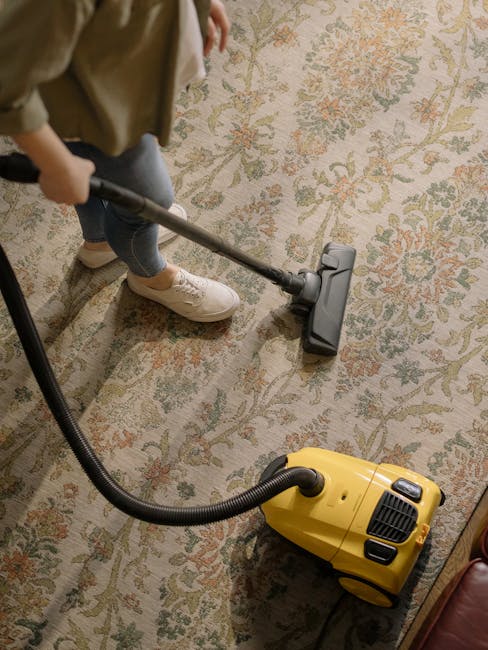
Chiswick High Road flat carpet cleaning guide

If you live in a flat on or near Chiswick High Road, carpet cleaning is one of those jobs that looks simple until you're actually doing it. Tight hallways, shared entrances, lift timing, drying space, neighbour noise, and awkward furniture all get in the way. This Chiswick High Road flat carpet cleaning guide is here to make the whole thing easier, whether you're dealing with everyday dust, a stubborn drink spill, or a full deep clean before guests, a move, or the end of a tenancy.
You'll find practical steps, common mistakes, realistic expectations, and a clear way to decide whether to tackle the carpet yourself or bring in a professional. Truth be told, flat carpet cleaning is often less about scrubbing harder and more about using the right method at the right time.
Expert summary: In a Chiswick flat, the best carpet cleaning approach is usually the one that balances stain removal, drying time, access, and fabric safety. Quick fixes help, but a proper plan prevents damage and keeps carpets looking good for longer.
Why Chiswick High Road flat carpet cleaning guide Matters
Flats along Chiswick High Road and the surrounding streets tend to see a lot of day-to-day traffic. Boots, shopping bags, pets, pushchairs, and the usual in-and-out rhythm of London life all take a toll. A carpet can look fine at a glance and still be holding onto grit, oils, allergens, and traffic patterns that make it feel tired underfoot.
In a flat, those issues can build up faster than people expect. Hallway runners get flattened. Living room carpets pick up cooking odours from an open-plan kitchen. Bedroom carpets collect dust that shifts around when windows are open in spring or during a busy weekend. If you've ever noticed that slightly stale smell after the heating kicks in, you'll know exactly what I mean.
There's also a practical side. Clean carpets can help a rental property show better, support a smoother handover, and make a small space feel brighter. In flats, that matters because every room is doing more visual work. A fresh carpet can quietly lift the whole place.
And, to be fair, carpet cleaning in flats is not the same as carpet cleaning in a house. Access is tighter. Drying is trickier. Noise can be a consideration if you're in a block with thin walls. So the method needs to suit the building, not just the carpet.
How Chiswick High Road flat carpet cleaning guide Works
The basic process is simple enough: inspect the carpet, remove loose dirt, treat stains, clean with the right method, and dry thoroughly. But the details matter. A wool blend in a Victorian conversion behaves differently from a synthetic carpet in a newer apartment. The cleaner you use, the amount of water applied, and the drying conditions all affect the end result.
Professional carpet cleaning usually falls into a few broad categories. Hot water extraction, often called steam cleaning, is common for deep cleaning because it can flush dirt out of the fibres. Low-moisture methods are useful when drying time has to be short. Encapsulation and dry compound methods may be chosen where quick turnaround matters or where the carpet cannot take much water. There isn't one universal best method. There's only the best method for the carpet you have, the stain you're facing, and the time you've got.
If a room has been used heavily, the cleaner may first agitate the carpet fibres, then pre-treat spots, then clean in sections. Edges, skirting lines, and under-sofa areas usually need a little more attention. It's the bits you don't see every day that often hold the most grime. Funny how that works.
For many flat owners and tenants, the biggest challenge is not the wash itself but the post-cleaning phase. Can you leave windows open? Is there safe airflow? Will you need access to the room for a few hours? Planning that in advance saves a lot of hassle later.
Key Benefits and Practical Advantages
Good carpet cleaning is not just about appearance. The real benefits are broader and more useful.
- Improved appearance: Footpaths, dull patches, and old spills become less noticeable, which helps smaller flats feel brighter and better kept.
- Better hygiene: Carpets can hold fine dust and everyday debris deep in the pile. A proper clean removes a lot of what vacuuming leaves behind.
- Odour reduction: In a flat, cooking smells, pet odours, and damp air can linger more than people think. Cleaning can freshen the room noticeably.
- Longer carpet life: Grit works like sandpaper. Remove it regularly and the carpet usually lasts longer.
- Move-out readiness: For landlords, tenants, and agents, a clean carpet helps with presentation and can reduce avoidable disputes.
- More comfortable living: There's a subtle difference underfoot after a good clean. Softer, fresher, and just nicer to live with.
One small but real benefit in flats: cleaner carpets help the whole place feel less cluttered visually. When the floor looks fresh, even a compact living room can feel more spacious. That's not marketing fluff. It's just how rooms behave.
Who This Is For and When It Makes Sense
This guide is useful for a few different people, and each group has slightly different priorities.
Flat owners often want maintenance cleaning to keep the property looking good and to protect the flooring they've invested in. If you've got a nice carpet that was fitted a few years ago and you want it to stay that way, regular cleaning makes sense.
Tenants usually need a carpet clean before checkout, especially if the carpet has visible marks, heavy traffic patterns, or pet-related odours. In many cases, it is worth checking the tenancy agreement carefully and using a service that can document the work.
Landlords and letting agents tend to focus on presentation, turnaround time, and consistency across multiple flats. A standardised cleaning approach helps keep expectations clear.
Busy households with children, pets, or frequent visitors often need more frequent cleaning than they first expect. The carpet can look "fine" until you move the sofa or shift the hallway mat. Then, suddenly, it's not.
When it makes sense:
- after a spill that has dried in
- before guests or a rental inspection
- after winter, when grit has built up
- before or after a move
- when vacuuming no longer lifts the carpet's look
- when allergies, dust, or odours are becoming noticeable
Step-by-Step Guidance
Here's the practical version. No theatrics, just a sensible process you can follow.
- Inspect the carpet carefully. Check pile type, colour fading, loose seams, stains, and any worn areas. If you see damage, slow down and adjust the method.
- Vacuum thoroughly. This is not a throwaway step. Removing loose grit first makes the actual cleaning much more effective and protects the carpet fibres.
- Test any cleaning product. Use a hidden patch, especially on wool, natural fibres, or patterned carpets. Look for colour transfer or fibre distortion.
- Pre-treat stains. Spot-treat the problem areas before cleaning the full room. Don't over-wet them. A little patience goes further than force.
- Choose the right method. If the carpet needs a deeper refresh, extraction may be best. If drying time is tight, consider a lower-moisture option.
- Clean in sections. Work methodically from the far corner backwards so you do not walk across freshly cleaned areas.
- Remove excess moisture. This is especially important in flats where airflow can be limited. Use dry passes, ventilation, and time.
- Allow proper drying. Keep people off the carpet for as long as practical. Open windows if weather and security allow it. In damp conditions, drying can take longer than expected.
- Finish with a final check. Look for missed spots, wicking stains, or any sticky residue. If a mark starts to reappear as it dries, it may need another light treatment.
A simple rule helps here: do less, but do it properly. Too much liquid, too many products, too much scrubbing - that's where most problems begin.
Expert Tips for Better Results
After enough carpet jobs, a few patterns become obvious.
First, deal with stains quickly, but not aggressively. Blotting is usually better than rubbing. Rubbing spreads the stain and can rough up the pile. If you've got a fresh spill, use a clean white cloth and work from the outside in. That tiny detail matters.
Second, ventilation is everything in a flat. In a terraced conversion or upper-floor apartment, drying can be slower than in a ground-floor house. Open windows where sensible, use airflow across the room, and avoid sealing the space up too soon.
Third, think about the carpet's history. A carpet that has never been deep cleaned may react differently from one cleaned regularly. Older dirt can release unevenly, and that's normal. Sometimes the first pass reveals what has been hidden for years. Slightly humbling, really.
Fourth, be careful with DIY product overload. Too many powders, sprays, and foams can leave residue behind. Residue attracts more dirt, which means the carpet looks dirty again faster. Not ideal.
Fifth, match the approach to the flat's lifestyle. A one-bedroom rental used by one person needs a different maintenance rhythm from a family flat with a dog and a hallway that never seems to stop collecting mud.
If you want a broader whole-home clean around the same time, it can be sensible to pair carpet care with domestic cleaning or a more focused deep cleaning visit. And if the carpet cleaning is happening as part of a property turnaround, end of tenancy cleaning may be the more useful service to look at.
Common Mistakes to Avoid
Most carpet problems come from a short list of avoidable mistakes.
- Over-wetting the carpet: This can lead to long drying times, musty smells, and the risk of stains returning as the fibres dry.
- Using the wrong cleaner: Some products are too harsh for wool or delicate blends. Always check suitability first.
- Scrubbing hard at a stain: It feels satisfying for about ten seconds, then the carpet pile starts to look shabby.
- Skipping vacuuming: Loose dirt turns into muddy residue once water is applied.
- Ignoring hidden areas: Under furniture and along edges are often the dirtiest parts of the room.
- Forgetting about airflow: In a flat, this is a big one. Poor drying creates more problems than the original stain sometimes.
- Cleaning in a rush before handover: If the carpet stays damp, the room can smell less fresh by the time someone inspects it. Not a great look.
One more thing: don't assume every mark is removable. Some staining is permanent, some is dye transfer, and some is fibre damage rather than dirt. Honest assessment saves everyone time.
Tools, Resources and Recommendations
You do not need a truckload of gear, just the right basics.
| Tool or item | What it helps with | Practical note |
|---|---|---|
| Vacuum cleaner | Removing grit and loose debris | Use slowly and more than once in busy areas |
| White absorbent cloths | Blotting spills and lifting moisture | White cloths help you see transfer and avoid dye bleed |
| Carpet-safe stain treatment | Spot cleaning | Always test in a hidden spot first |
| Soft brush or fibre grooming tool | Raising flattened pile | Use gently; you are coaxing, not attacking |
| Air mover or fan | Speeding up drying | Helpful in flats where natural airflow is limited |
| Protective gloves | Handling cleaning solutions | Useful for stronger treatments and repeated work |
If you are deciding between doing it yourself and booking help, the most useful question is: how much is your time, and how much risk can you tolerate? A DIY clean can work well for light maintenance. For older stains, end-of-tenancy situations, or carpets that are expensive to replace, a professional approach may be the safer bet.
For related support around the home, some readers also find it practical to combine carpet care with rug cleaning, sofa cleaning, or upholstery cleaning so the rooms all feel consistent. If the flat has hard floors in the kitchen or hallway, hard floor cleaning can finish the job neatly.
Law, Compliance, Standards, or Best Practice
For most readers, the main compliance issues are practical rather than legal. The key is to follow product instructions, use equipment safely, and avoid causing damage to the property or surrounding spaces. In a shared building, that also means being considerate about noise, water use, and access routes.
If you hire a cleaner, sensible checks include insurance, clear terms, and an understanding of what is and is not included. That is where pages such as insurance and safety and terms and conditions become useful. They help set expectations before any work starts.
From a best-practice point of view, good carpet cleaning should be careful, documented where needed, and suited to the carpet type. If someone is working in a block with shared hallways or narrow access, they should also take reasonable steps to protect communal areas. That might mean using tidy routes, keeping equipment secure, and avoiding overspray. Basic stuff, but worth saying.
For businesses or landlords managing multiple properties, it may also help to review health and safety policy details and make sure cleaning work fits the wider maintenance plan. If you have a concern about service quality, a clear complaints procedure is a good sign that the company takes issues seriously.
And on a softer note, this is where professionalism shows. Clear communication, tidy work, and careful handling of fabrics are often more reassuring than fancy language ever is.
Options, Methods, or Comparison Table
Here is a straightforward comparison of common carpet cleaning approaches for flats.
| Method | Best for | Pros | Watch-outs |
|---|---|---|---|
| Hot water extraction | Deep dirt, general refresh, heavier use | Strong cleaning power, good for embedded soil | Longer drying time, not ideal for every carpet |
| Low-moisture cleaning | Quick turnaround, smaller flats, limited airflow | Faster drying, less disruption | May be less intensive on deep-set dirt |
| Encapsulation | Routine maintenance, commercial-style upkeep | Convenient, often fast | Usually better as maintenance than a rescue method |
| DIY spot cleaning | Small fresh spills | Fast, cheap, easy to target one area | Easy to overdo and leave residue |
For most Chiswick flats, the practical choice comes down to drying time and carpet condition. If the carpet is light-coloured, heavily walked on, or has been through a winter of wet shoes and city grit, a deeper method often makes more sense. If you just need a tidy-up before visitors, something lighter may be enough.
Case Study or Real-World Example
A typical situation in a Chiswick flat goes something like this. A tenant is due to move out on a Friday afternoon. The living room carpet has a few traffic marks near the sofa, a coffee stain by the window, and a faint smell from a dog that stayed over more than expected. Nothing dramatic, but enough to catch the eye.
They vacuum first, then test a stain treatment behind the sofa. The coffee mark softens, but the traffic lane is still visible. Rather than keep adding more product, they decide to book a cleaner who can use a deeper method and give the carpet time to dry before checkout. Smart call, really.
The best outcome in that sort of scenario is not perfection. It is a carpet that looks fresh, smells clean, and presents well in the natural daylight that pours into so many Chiswick rooms in the morning. If the room feels calm and tidy when the agent walks in, that usually counts for a lot.
That same flat might also book window cleaning so the light comes in properly and the place feels brighter overall. Small detail, big difference.
Practical Checklist
Use this checklist before, during, or after carpet cleaning in a flat.
- Vacuum the room thoroughly, including edges and under movable furniture
- Identify the carpet type if you can
- Test any product in a hidden area first
- Blot spills rather than scrubbing them
- Keep an eye on water use and drying time
- Ventilate the flat where possible
- Move furniture only when it is safe to do so
- Check for stain return after drying
- Leave enough time before any inspection or move-out
- Use a professional cleaner if the carpet is delicate, valuable, or heavily stained
Quick takeaway: The cleaner the carpet needs to look, the more important preparation and drying become. It's usually not the loudest part of the job that matters. It's the careful part.
If you are looking at broader home upkeep at the same time, you may also find it useful to review home cleaners, house cleaning, or one-off cleaning options so the flat feels fully reset rather than just partially sorted.
Conclusion
A good Chiswick High Road flat carpet cleaning guide should help you make calm, practical decisions. That means knowing when a stain is a simple blotting job, when a deeper clean is worth it, and when it's safer to stop experimenting and call in help.
In a flat, the best results usually come from a mix of preparation, the right cleaning method, and patient drying. No drama, no rushing, no miracle shortcuts. Just sensible care that keeps the carpet looking and feeling better for longer.
If you remember one thing, let it be this: carpets in flats take daily wear in ways that are easy to underestimate, but they also respond very well to regular, thoughtful cleaning. A little attention goes a long way.
Get a free quote today and see how much you can save.
And if you want your home to feel properly looked after, start with the floor beneath your feet. It's often the quietest upgrade, but one of the most satisfying.
Frequently Asked Questions
How often should a flat carpet in Chiswick High Road be cleaned?
It depends on foot traffic, pets, and whether the flat is lived in full time. Light maintenance cleaning may be enough for some homes, while busy flats often benefit from deeper cleaning more regularly. If the carpet looks dull before it feels dirty, that is usually a sign it needs attention.
Is steam cleaning safe for all carpets?
No, not always. Steam or hot water extraction works well for many synthetic carpets, but delicate fibres, certain wool carpets, or older flooring may need a gentler method. A quick test patch is sensible before any full clean.
Can I clean a carpet myself in a flat?
Yes, for light spills and routine maintenance, DIY cleaning can work well. The main risks are over-wetting, using the wrong product, and leaving residue behind. If the carpet is expensive, badly stained, or needed for a move-out, professional help is often the safer choice.
How long does a carpet take to dry in a flat?
Drying time varies with the method used, room temperature, airflow, and carpet thickness. Flats can take longer to dry than expected if windows are limited or the weather is damp. Planning a few hours of drying time is sensible, and sometimes longer.
What is the best way to remove a fresh spill?
Blot it straight away with a clean white cloth and work gently from the outside in. Avoid rubbing. Then treat the area with a carpet-safe product if needed, testing it first in a hidden spot.
Will carpet cleaning remove pet smells?
Often it helps a lot, especially if the smell is from surface dirt or everyday use. If the odour has soaked deep into the underlay, you may need a more thorough treatment. Truth be told, some pet smells are stubborn and need a bit of extra work.
Is professional carpet cleaning worth it before moving out?
Usually, yes. It can improve presentation and reduce the chance of complaints about cleanliness. It also helps if the carpet has obvious marks, traffic lanes, or odours that are hard to deal with on your own.
What should I ask a carpet cleaner before booking?
Ask about the cleaning method, drying time, whether stain treatment is included, and what happens if a stain does not fully lift. It is also sensible to ask about insurance, terms, and any access requirements for a flat.
Can carpet cleaning damage the fibres?
It can, if the wrong method or product is used, or if the carpet is scrubbed too aggressively. This is why testing, careful application, and a method matched to the material matter so much.
What if a stain comes back after cleaning?
That can happen. It is often called wicking, where residue from deeper in the pile rises as the carpet dries. A follow-up treatment may be needed, especially on older or heavily soiled carpets.
Should I clean carpets before or after decorating?
If the decorating work involves dust, sanding, or moving furniture, it is usually better to clean after the mess is done. If you want to refresh the flat before guests or a move, then cleaning beforehand makes sense. In other words, timing depends on the job around it.
Are there services that combine carpet cleaning with other flat cleaning tasks?
Yes, and that can be convenient. Depending on what the flat needs, you might combine carpet work with cleaning company support, carpet cleaning, or related services such as upholstery and sofa care. It keeps the whole place feeling consistent rather than half-finished.