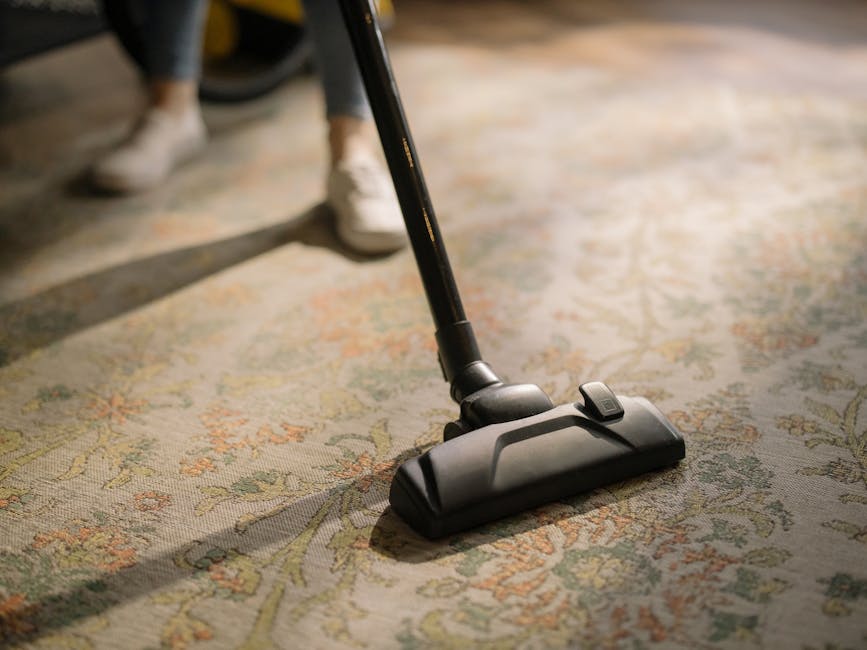
Rug cleaning for Bedford Park homes in Chiswick
Rugs do a lot more work than people give them credit for. They soften a room, quieten footsteps, add colour, and somehow manage to collect everything from everyday dust to muddy shoe marks and the odd coffee spill. If you are looking into Rug cleaning for Bedford Park homes in Chiswick, you are probably after more than a quick freshen-up. You want a cleaner rug, yes, but you also want it handled properly, with the right method for the fibres, dyes, and the way your home is actually lived in.
That matters in Bedford Park especially, where homes often mix character, style, and well-loved interiors. A good rug can be a centrepiece. A bad cleaning job can leave it flat, streaky, or worse, damaged. In this guide, we'll walk through what rug cleaning involves, how it works, what to watch out for, and how to decide whether to clean it yourself or bring in a specialist. Straightforward, practical, and no fluff.
If you want a broader look at related services, you can also explore professional rug cleaning and the wider approach to carpet cleaning for homes that need a proper deep clean, not just a surface tidy.
Table of Contents
- Why Rug cleaning for Bedford Park homes in Chiswick Matters
- How Rug cleaning for Bedford Park homes in Chiswick Works
- Key Benefits and Practical Advantages
- Who This Is For and When It Makes Sense
- Step-by-Step Guidance
- Expert Tips for Better Results
- Common Mistakes to Avoid
- Tools, Resources and Recommendations
- Law, Compliance, Standards, or Best Practice
- Options, Methods, or Comparison Table
- Case Study or Real-World Example
- Practical Checklist
- Conclusion
- Frequently Asked Questions
Why Rug cleaning for Bedford Park homes in Chiswick Matters
Rugs are one of those household items that quietly hold onto daily life. You notice the stain only after it dries. The dust only when sunlight hits the fibres at an angle. The smell only when the heating comes on. Let's face it, rugs can look fine long after they've started harbouring grit, allergens, and dulling residue deep in the pile.
In Bedford Park homes, that issue can be even more noticeable because many rugs are chosen for design impact. Wool runners, patterned statement pieces, thick hallway rugs, vintage finds, all of them can lose their charm if they are not cleaned correctly. Rug cleaning matters because it helps maintain appearance, preserves texture, and reduces the wear caused by embedded dirt grinding against the fibres every time someone walks across the room.
It also matters for hygiene. Rugs trap fine dust, pet hair, pollen, crumbs, and the tiny bits of everyday life that sweepings alone will never catch. If you have children, pets, or simply a busy household, a rug can become a hidden collection point. Not dramatic, just true.
And there's the longevity side. A well-cared-for rug can last much longer than one left to absorb spills and grime season after season. In a home where quality furnishings matter, that protection is worth having.
Expert summary: Good rug cleaning is not just about making a rug look brighter. It is about choosing the right method for the fibre type, removing soil without over-wetting the backing, and protecting the rug so it keeps its shape, colour, and feel.
How Rug cleaning for Bedford Park homes in Chiswick Works
Proper rug cleaning is a process, not a single spray-and-wipe moment. The exact method depends on the rug's material, construction, age, and condition. A machine-made synthetic rug will usually tolerate a more straightforward clean than a hand-knotted wool rug, and an antique piece needs a far more cautious approach. That part is important, because one method does not fit all. Not even close.
Most professional rug cleaning follows a sequence like this:
- Inspection - The cleaner checks fibre type, backing, condition, staining, colour stability, and any wear or damage.
- Dust removal - Dry soil is removed before wet cleaning begins. This is a big deal, because embedded grit behaves like sandpaper inside the fibres.
- Spot treatment - Specific marks such as food, drink, pet accidents, or cosmetic residue are treated carefully.
- Main clean - Depending on the rug, this may involve hot water extraction, low-moisture cleaning, controlled hand washing, or a specialist fibre-safe process.
- Rinsing or residue removal - The aim is to leave the rug free from sticky cleaning residues that attract fresh dirt.
- Drying - The rug is dried properly and evenly. Rushing this stage can lead to smells, rippling, or dye migration.
- Final check - A good cleaner will inspect the result, groom the pile if needed, and confirm the rug is ready to return.
At home, many people assume a rug cleaner is basically a carpet cleaner used upside down. Sometimes that's harmless shorthand; sometimes it is not. Rugs often need more careful handling than fitted carpets because they can be thinner, edged, fringed, dyed differently, or made with natural fibres that react badly to too much moisture. That is why specialist attention often pays off.
If the rug sits inside a broader cleaning project, it can be sensible to coordinate it with deep cleaning or even one-off cleaning so the room is dealt with as a whole rather than in piecemeal fashion.
Key Benefits and Practical Advantages
The benefits of rug cleaning are easy to see once the work is done. The colours look sharper. The pile springs back a bit. The room smells fresher. But there are some less obvious advantages too, and those are often the ones that matter most over time.
- Better appearance: Dirt dulls colours. Removing it restores contrast, pattern, and texture.
- Longer rug life: Clean fibres experience less abrasion, so they hold up better.
- Improved indoor freshness: Rugs can trap odours from cooking, pets, and day-to-day use.
- More comfortable underfoot: A clean rug feels softer and less gritty, which you notice immediately.
- Safer maintenance: Proper cleaning reduces the risk of stains setting permanently.
- Better room presentation: In a living room or hallway, a refreshed rug can change the whole feel of the space.
There is also a practical benefit people often overlook: regular rug care can make future cleaning easier. A rug that has been cleaned before grime settles too deeply is usually simpler to maintain. That means fewer stubborn marks, fewer odours, and less panic when someone drops a glass of red juice or, inevitably, a bit of tea.
For households in Bedford Park where rugs are part of a more curated interior, that protection matters. A rug can be visually central to the room. Keep it in good condition, and it supports everything else around it.
Who This Is For and When It Makes Sense
Not every rug needs immediate professional treatment. Some can be maintained with careful vacuuming and quick spill response. But there are definite situations where specialist cleaning makes a lot more sense.
This is especially relevant if you:
- own wool, silk, viscose, jute, or other delicate fibre rugs
- have pets that shed, mark, or have occasional accidents
- notice an odour even after vacuuming
- see traffic lanes, dull patches, or flattened pile
- have had a spill that has soaked into the rug backing
- want to freshen a rug before guests arrive or a room is being redecorated
- are preparing a property for sale, rental, or a seasonal reset
It also makes sense if the rug is expensive, sentimental, or simply awkward to replace. Truth be told, many people wait too long because they hope the stain will vanish on its own. It won't. That's not how rugs work, sadly.
If your rug is part of a full-home reset, pairing it with domestic cleaning or house cleaning can be a smart way to deal with the whole space in one go. If you have just moved out or are aiming to leave a property in good condition, end of tenancy cleaning may also be part of the picture.
Step-by-Step Guidance
If you want to approach rug cleaning sensibly, use a methodical process. That way you avoid the common "I sprayed it, rubbed it, and now it looks worse" scenario. Happens more than people admit.
1. Identify the rug
Check the label if there is one. If not, look at the fibre, weave, backing, edging, and general construction. Wool, cotton, synthetic blends, and natural-fibre rugs all behave differently. A thick wool rug usually needs different treatment from a thin flatweave.
2. Test for colour stability
Before applying any liquid, test a small hidden area. If colour transfers, bleeding can occur during cleaning. That is one of the main reasons to avoid guessing.
3. Remove dry soil first
Vacuum both sides if the rug allows it, and do it gently. Dry soil is abrasive. Leaving it in place means you are basically rubbing dirt around with every footstep.
4. Treat stains carefully
Use the right approach for the mark, not a one-size-fits-all product. Food, grease, drink, mud, and pet stains each need a different response. Blotting is usually safer than scrubbing.
5. Clean with the right moisture level
Too much water is a common mistake. Over-wetting can cause smells, shrinkage, dye run, or damage to the backing. Controlled application matters more than enthusiasm.
6. Dry thoroughly
Drying is not optional. A rug that dries slowly in a cramped room can develop odour or a slightly off shape. Good airflow helps, and in some cases the rug may need to dry flat.
7. Finish and protect
Once dry, groom the pile if needed and move the rug back into position. If the rug is in a high-traffic zone, consider a rug pad to reduce movement and wear.
When in doubt, pause and assess. It is better to stop before damage happens than to soldier on with a method that feels confident but isn't right for that material. Been there, seen that, fixed it afterwards - never ideal.
Expert Tips for Better Results
Small details make a real difference with rugs. The best results usually come from restraint, timing, and knowing when not to push too hard.
- Vacuum regularly, but gently: Especially on delicate or looped rugs, a rough brush bar can be too aggressive.
- Act fast on spills: The first few minutes matter a lot. Blot, don't grind it in.
- Rotate the rug: Even wear keeps one side from fading faster than the other.
- Keep shoes off where possible: Hallway rugs take a beating from grit and outdoor moisture.
- Use a rug pad: It helps with slipping, friction, and pile stress.
- Do not over-deodorise: Heavy fragrance can mask odour temporarily while leaving the cause behind.
- Let the rug dry properly before placing furniture back: Weight marks and moisture traps are a nuisance.
A useful rule of thumb: if the rug is older, more valuable, or has uncertain fibres, err on the side of caution. Specialist cleaning may cost more than a DIY attempt, but it can also save a rug you would otherwise replace. And replacement is rarely as simple as it sounds.
If your concern is the condition of the surrounding fabric too, the same careful mindset applies to upholstery cleaning and sofa cleaning. Fabrics may look different, but the logic is similar: know the material, test first, clean gently.
Common Mistakes to Avoid
Most rug damage from cleaning is avoidable. That sounds obvious, but plenty of people still fall into the same traps. Here are the big ones.
- Scrubbing stains aggressively: This can distort fibres and spread the mark wider.
- Using too much detergent: Residue attracts dirt, so the rug can look worse again quickly.
- Cleaning without testing: Dye instability is the sort of problem you only want to discover before, not after.
- Ignoring the backing: The front may seem fine while the underside is taking on too much moisture.
- Drying too slowly: Damp rugs can smell musty and may develop ripples.
- Assuming all rugs can be cleaned the same way: They cannot. Not even close.
- Waiting until the rug is visibly filthy: By then the dirt may already be embedded deep in the pile.
One sneaky mistake is using household cleaners that were never meant for dyed fibres. They may seem harmless at first, but some products leave bright patches, rough texture, or a sticky residue. The rug then collects dirt faster than before, which is a bit annoying, to put it mildly.
Tools, Resources and Recommendations
You do not need a cupboard full of gadgets to care for a rug, but the right tools help a lot. Keep it simple and sensible.
| Tool or item | Why it helps | Best used for |
|---|---|---|
| Vacuum with adjustable suction | Removes dry soil without rough treatment | Routine maintenance |
| Soft brush or upholstery attachment | Helps lift debris from the pile | Delicate or textured rugs |
| White absorbent cloths | Useful for blotting spills without colour transfer | Spot treatment |
| Rug pad | Reduces movement and friction | Hallways, living rooms, stairs |
| Fan or well-ventilated drying space | Helps the rug dry evenly | After wet cleaning |
For homeowners who want dependable help with a broader care plan, a reputable cleaning company should be able to explain their process clearly, not hide behind vague claims. You want to know how they inspect the rug, what products they use, how they manage drying, and what happens if the rug needs extra care.
It is also sensible to ask about insurance and safety, especially if the rug is valuable or the work needs to be done inside a furnished home. Good communication is not a bonus. It is basic professionalism.
Law, Compliance, Standards, or Best Practice
Rug cleaning in a domestic setting is not usually heavily regulated in the way some specialist trades are, but best practice still matters. Reputable cleaners should work in line with sensible UK expectations around safety, care, and service quality. That means being careful with chemical use, respecting the condition of the property, and taking reasonable precautions around wet floors, electrical equipment, and drying areas.
If a rug cleaner is visiting your home, you should expect sensible housekeeping standards: protective handling, clear communication, and an approach that does not create avoidable risk. If chemicals are used, they should be appropriate for the material and applied in a controlled way. If the rug is delicate, natural, or antique, caution is the default, not an afterthought.
It is also good practice for any service provider to have clear terms, pricing information, and a straightforward way to deal with concerns. If you are checking a provider before booking, pages such as about the company, pricing and quotes, terms and conditions, and complaints procedure are useful signs of transparency. That sort of thing tells you a lot, honestly.
For environmentally conscious homeowners, it can also help to check whether the business has a visible approach to recycling and sustainability. It does not mean every product is eco-only, but it does show the company is thinking beyond the immediate job.
Options, Methods, or Comparison Table
There are several ways to clean a rug, and the right choice depends on the rug itself. Here is a simple comparison to make the decision easier.
| Method | Best for | Strengths | Watch-outs |
|---|---|---|---|
| Regular vacuuming | Everyday upkeep | Cheap, quick, prevents soil build-up | Won't remove embedded stains |
| Spot cleaning | Fresh spills and small marks | Fast response, localised treatment | Can spread stains if done badly |
| Low-moisture cleaning | Many synthetic and medium-traffic rugs | Faster drying, less saturation | May not suit every fibre or stain type |
| Hand washing / specialist rug wash | Wool, delicate, antique, or valuable rugs | More controlled, safer for sensitive pieces | Needs expertise and proper drying |
| Hot water extraction | Certain robust rugs and deeper soil removal | Strong cleaning action | Can be too wet for some rugs |
There is no single "best" method in all cases. The best method is the one that respects the rug's construction and the issue you are solving. If the rug is handmade and you are unsure about dyes, a cautious specialist wash is usually a better call than a heavy-handed machine clean. Simple as that.
Case Study or Real-World Example
A Bedford Park household with a large patterned rug in the sitting room noticed the colours looked flat and the centre area had become slightly darkened over time. Nothing dramatic, just that familiar lived-in look that sneaks up on you. The homeowners vacuumed regularly, but the rug had been in place for a long time and took daily foot traffic from the hallway into the room.
On inspection, the rug was found to be a wool blend with some surface staining and compacted soil in the main walking line. Rather than using a one-size-fits-all machine approach, the cleaner began with dust removal, then targeted the marks separately, and used a controlled wash with careful drying. The rug was left to dry evenly rather than rushed back into place. Good call, because that is where many problems happen.
The result was not magic, just proper care. The pattern looked clearer, the surface felt cleaner underfoot, and the room regained a sense of brightness. More importantly, the rug had not been over-wet or rough-treated, so the texture stayed intact. That is the kind of outcome people usually want: noticeable improvement without drama.
If you have other household items that need attention at the same time, a planned visit can often help. For example, window cleaning can brighten a room in the same way a refreshed rug does, while hard floor cleaning can complete the look where the rug does not cover the room entirely.
Practical Checklist
Use this before, during, or after rug cleaning to keep things simple.
- Identify the rug fibre and construction
- Check for labels, tags, or known care instructions
- Test a hidden area for colour stability
- Vacuum gently on both sides if appropriate
- Address fresh spills quickly with blotting
- Avoid soaking the backing
- Choose the method that suits the material, not the stain alone
- Allow thorough drying with decent airflow
- Move furniture back only once the rug is fully dry
- Rotate the rug periodically to reduce uneven wear
Quick takeaway: the safest route is usually the least aggressive one that still solves the problem. That is the balance to aim for.
Conclusion
Rug cleaning for Bedford Park homes in Chiswick is really about protecting something that does more than decorate a room. A rug shapes the feel of a space, takes on daily wear, and quietly stores up dirt, moisture, and odours if it is left unchecked. With the right method, though, it can look brighter, feel better, and last much longer.
The main thing to remember is that rugs are not all the same. Fibre type, dye stability, construction, and age all affect how they should be cleaned. If you take the time to inspect first, test carefully, and dry properly, you are already avoiding most of the common mistakes. And if the rug is valuable or delicate, getting help from someone who knows what they are doing is usually the wiser move. No shame in that at all.
Get a free quote today and see how much you can save.
There is something quietly satisfying about seeing a well-loved rug come back to life. It makes the whole room breathe a little easier.
Frequently Asked Questions
How often should a rug be professionally cleaned?
It depends on foot traffic, pets, children, and the rug's material. In a busy home, a periodic professional clean makes sense before dirt becomes deeply embedded. Heavily used rugs usually need more attention than decorative pieces.
Can all rugs be cleaned the same way?
No. Wool, silk, synthetic, and natural-fibre rugs can react very differently to moisture, heat, and detergents. That is why inspection matters before any cleaning starts.
Is steam cleaning safe for rugs?
Sometimes, but not always. The term gets used loosely. Some rugs can tolerate a hot water extraction process, while others need a much gentler approach. It depends on the fibre and construction.
What should I do if my rug gets a fresh spill?
Blot the area gently with a clean absorbent cloth and avoid rubbing. Try not to add too much liquid. The aim is to lift the spill, not push it deeper into the fibres.
Will rug cleaning remove pet odours?
Often it helps a great deal, especially if the odour is in the fibres rather than deep into the backing. Older or repeated pet contamination may need specialist treatment, though.
How long does a rug take to dry after cleaning?
Drying time varies with rug thickness, method used, and room conditions. A thin rug may dry fairly quickly, while a dense or handmade rug may take longer. Good airflow is important either way.
Can I clean an expensive or antique rug myself?
Only if you are very confident about the fibre and cleaning method. For valuable or sentimental rugs, specialist handling is usually safer. One wrong product can cause a costly problem.
Why does my rug look dirtier again soon after cleaning?
That often points to detergent residue, incomplete soil removal, or cleaning that was too aggressive. If residue is left behind, it can attract fresh dirt faster than before.
Is rug cleaning worth it for a smaller rug?
Yes, if the rug is well made, sentimental, or central to the room. Small rugs still hold dust and stains, and the visual impact of a clean one can be surprisingly big.
What should I ask before booking a rug cleaner?
Ask how they identify fibre type, what cleaning method they use, how they handle drying, and whether they are insured. Clear answers are a good sign. If the explanations sound vague, that is worth paying attention to.
Can rug cleaning be combined with other home services?
Yes, often it can. Many households choose to schedule rug care alongside carpet, sofa, or general home cleaning so the whole room feels refreshed at once.
What makes Bedford Park homes a special case for rug cleaning?
Many homes in the area use rugs as part of a designed interior, so appearance, texture, and care really matter. A rough cleaning job can stand out immediately, while a careful clean blends back in beautifully.